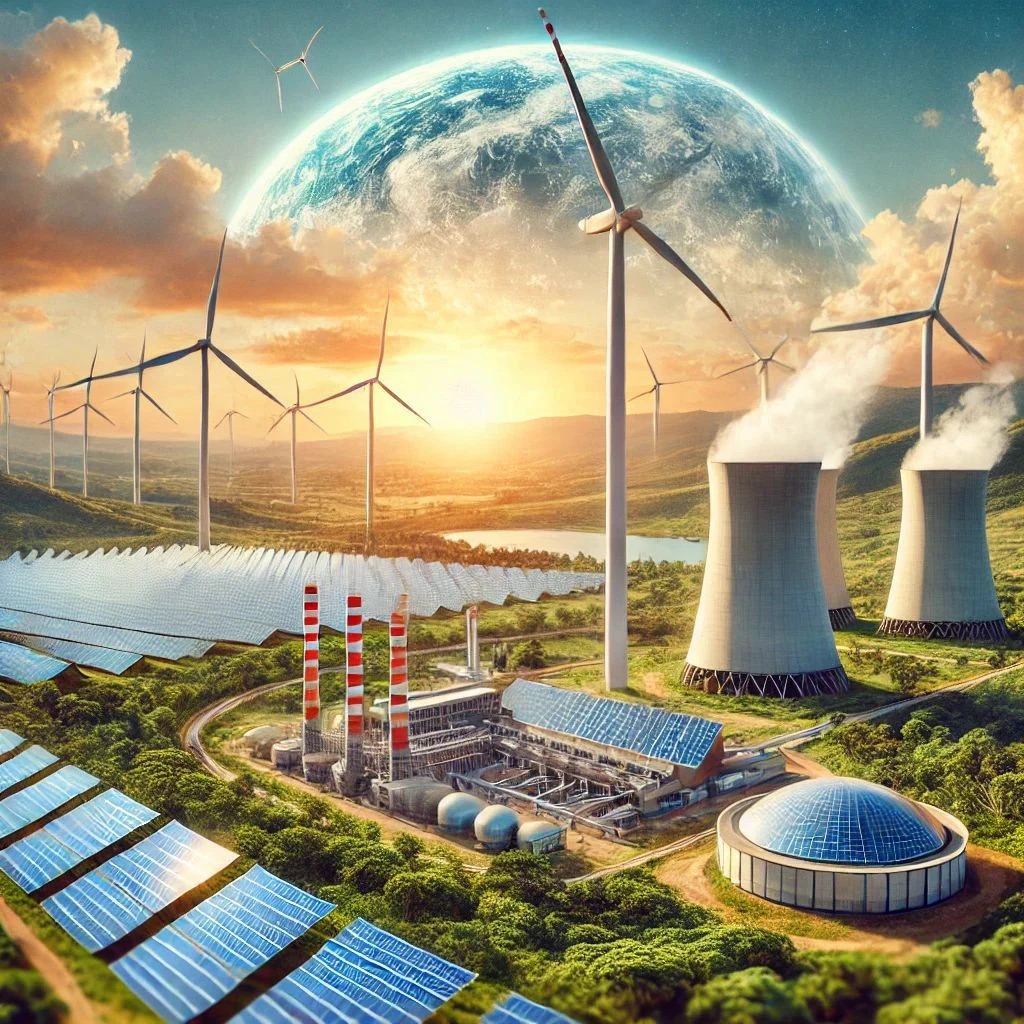
There’s no question that we need to transition away from fossil fuels but we need to be aware of the costs of doing so. University graduates in Scotland oppose the closing of Grangemouth, the country’s last remaining oil refinery, until current employees are guaranteed employment elsewhere. They know that there’s no future for the fossil fuel industry but their knowledge and skills don’t need to be shackled to a dying industry.
When I first moved to my current address in 2003 I only had to walk a short distance from home to see three coal fired power stations, two of which have since been decommissioned and the other has been converted to biomass. I’ll have more to say about that later but, for now, I want to look at the alternatives.
I rule out nuclear energy from the start, primarily because of the problem of disposal of nuclear waste. I want to focus on genuine concerns with green technologies.
Wind
We have a lot of it where I live but no way to capture it. I reject the objection that it’s an eyesore when I see a line of electricity pylons crossing the landscape, but I agree with Yorkshire Wildlife Trust that they don’t belong in areas renowned for their natural beauty.
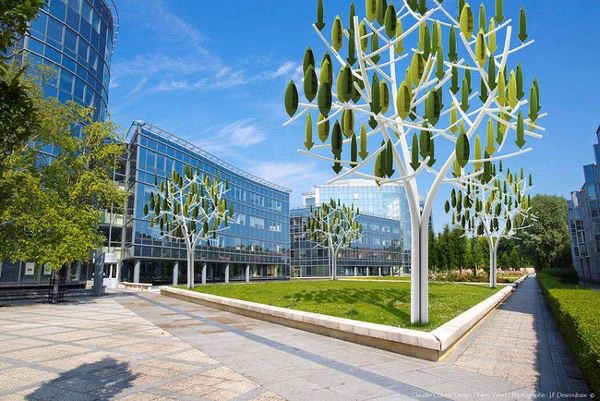
A more serious concern is for birds being killed by flying into them, but this can be overcome by redesigning them. Vertical wind turbines have been designed, as have urban ‘trees’ that are architecturally attractive and capture both wind and solar power in their ‘leaves’.
Solar
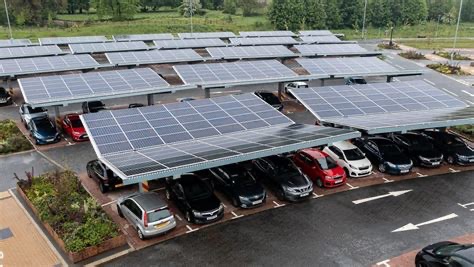
The main objection to large scale solar energy farms is that they take up too much land that could be used for agriculture purposes, but this is a nonstarter. Crops can be grown under solar panels, they would probably be used as fodder in factory farming or as biofuel, they don’t need to be. Some cities are installing them in car parks, which also provide cover for the cars parked there and recharging stations for electric vehicles. Regulations requiring new industrial buildings to have solar panels would be less effective when there are so many industrial buildings standing vacant!
Water
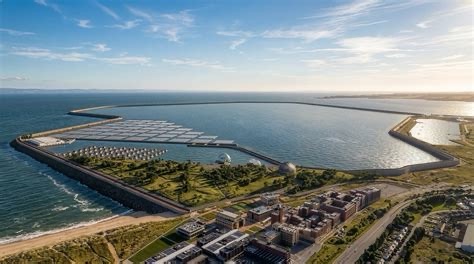
The hydroelectric dam has had its day, there are other ways of generating energy like the Severn Bore and Swansea lagoon. Tidal turbines can also be installed at the base of offshore wind turbines to capture both.
Geothermal
The housing association installed a heat pump where I live, I don’t see a downside at present but it’s difficult to imagine it being rolled out on an industrial scale.
Biomass
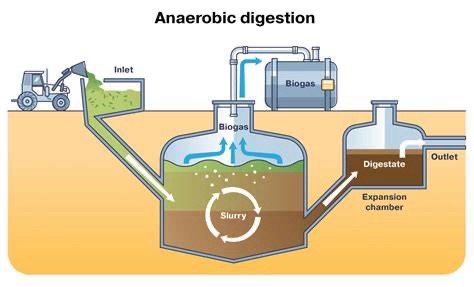
Household and farm waste can be converted to energy by anaerobic digestion and used cooking oil can be used as aircraft fuel. The problem is collecting it in sufficient quantities, I’m unable to recycle my cooking oil as I don’t drive, and airlines will use palm oil instead.
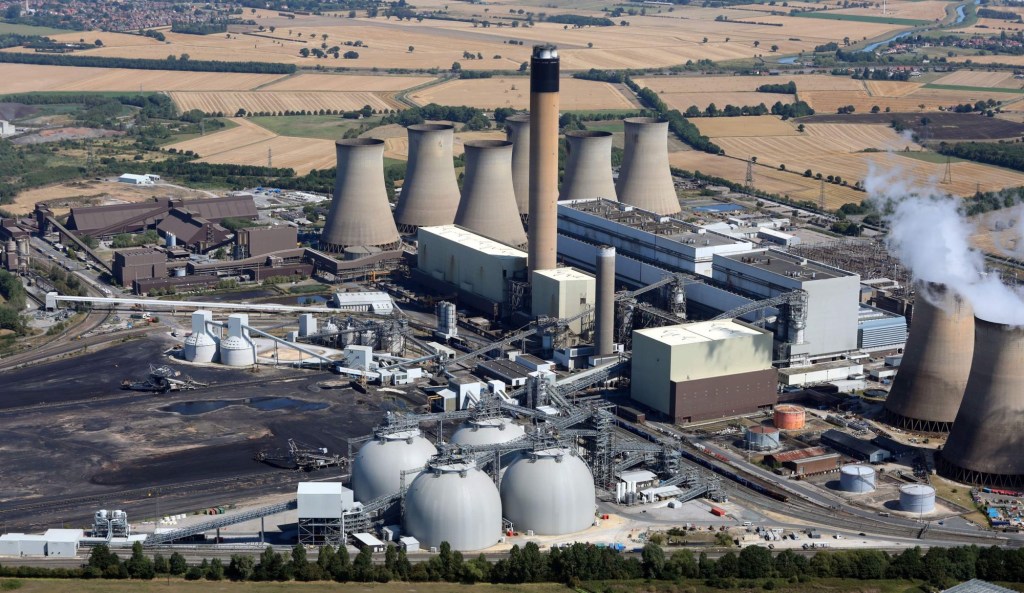
Drax
The third of the three power stations I mentioned above is UK’s largest biomass power station. Drax receives government subsidies for experimental carbon capture systems while destroying natures own – the forest! They have recently announced that they will cease sourcing their timber from British Columbia by the end of this year but timber from elsewhere in Canada will exported to Asian markets. The wood pellets used are processed in plants in the USA which have their own environmental issues, Drax will now pillage their forests too! Furthermore, Drax are now planning to build a datacentre on the site, which will require vastly more power as well as water.
Human Rights
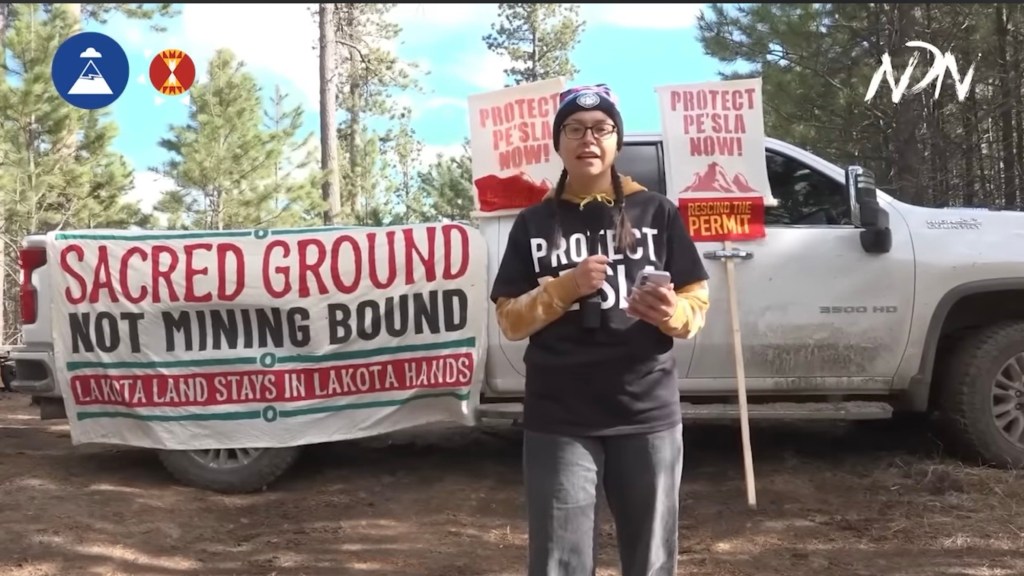
Green technologies require rare minerals such as lithium and cobalt for electrical car batteries among other things. The richest known deposits are found on indigenous land and, if we can’t find alternatives, we must ensure we have prior informed consent for extraction from the communities affected – that’s consent not “consultation”. If we just go in and take it we’re no better than the oil corporations! This applies to nuclear power too, the Lakota tribes have stopped uranium mining in Pe’ Sla, the Black Hills – for now! We should remember that this is sovereign territory of the Lakota people, it has never been ceded in any treaty. In fact the US government holds millions, perhaps billions with interest, intended to compensate the Lakota for the harm done. Despite their poverty, the Lakota won’t touch it – because the Black Hills are not for sale!
Old buildings, new ideas and imagination
There are plenty of abandoned wind and water mills that could be retrofitted with turbines to generate electricity instead of grinding corn. In some cases excess power can be used to pump water up to a higher level for when it’s needed. New buildings, constructed on traditional designs, could incorporate water, wind and solar power are imaginable – unless you’re a politician who checked their conscience in when entering house. I don’t think any of the real problems with green energy are insurmountable with sufficient imagination and the political will, but they do need to be recognised.


Thank you Mike, whatever we do, we can’t keep burning fossil fuel. The burning of vast amounts of timber and coal is not the answer. There are enviromntal issues concerning deforestation too. I am not sure about heat pumps, I know little about them. Are they expensive to run? Wind and waves get the thumbs up from me, we are a very windy island, surrounded by water! Like you nuclear fuel plants also get a no from me. Solidarity✊
LikeLiked by 1 person
Heat pumps are actually cheaper because no electricity is required to generate heat, only to circulate it around the property. The housing association chose it in preference to solar, presumably because the latter would need to be placed on south facing roofs. I don’t know about the cost of installation and if there’s a downside I’ve yet to learn what it is. I finished writing this blog moments before publishing it and was doubtful whether I’ld have one to share today 😊
LikeLiked by 1 person