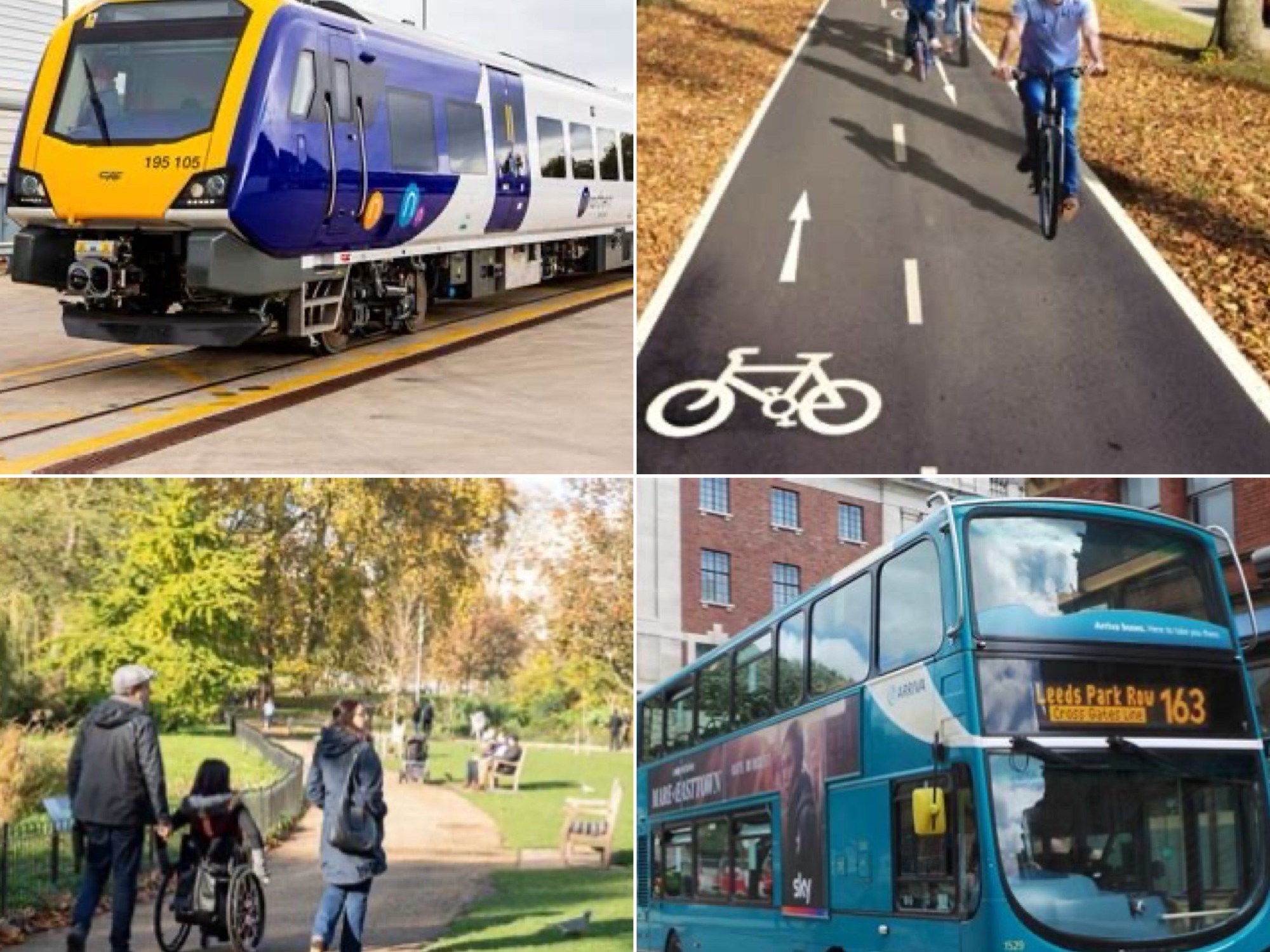
I emailed my MP to call for better alternatives to driving – like good, affordable public transport, safe walking & cycling: https://actionnetwork.org/letters/smart-move?source=bluesky& He forwarded it to Justin Madders, the Minister for Roads, and I’ve had a response which I didn’t want to share in full as it included my full home address. What follows is a summary.
*****
Transport has an important role to play in supporting energy security alongside ensuring people can access jobs, education, healthcare and leisure. That is why we are overhauling public transport service, investing in active travel infrastructure and accelerating the transition to zero emission vehicles. These actions will make more sustainable travel options the natural first choice for more people.
In April we published Better Connected: A Strategy for Integrated Transport, which sets out this government’s vision for a transport system that is safe, reliable, affordable and accessible, so people can get on in life and make the journeys they need to easily.
I understand your constituent’s concern about public transport not always running where and when people need it to. That is why this government is committed to delivering better buses and has set out a plan to achieve this. This involves giving local leaders the powers they need and enabling them to choose a model that works best in their area. The best way to do this is for the service to have a strong revenue base of passengers, by being attractive to all in the community, including those who have access to a private vehicle. We have confirmed over £3 billion to support local leaders and bus operators across the country to improve bus services, which means ending the short-term approach to bus funding and giving councils the certainty they need to plan ahead.
Rail also plays a key role in supporting more sustainable travel choices and the move to Great British Railways will enable passengers to receive a more consistent and reliable offer across the network. We are already taking steps to simplify fares and ticketing, improve value for money, and make it easier for passengers to choose rail as an alternative to driving.
Joined up public transport is essential to enabling people to get around easily and making journeys more seamless and less complicated. Through Better Connected, the government has set out its commitment to simplify payments and information for passengers. This will enable better integrated ticketing for public transport with simpler fares and easier payments.
Turning to active travel, the government is committed to improving walking, wheeling and cycling by supporting local authorities with a projected £4.5 billion of investment in active travel up to 2030. The Cycling and Walking Investment Strategy sets out the Government’s vision that active travel should be a safe, easy and accessible option for everyone.
Shared mobility has an important role to play alongside public transport. Shared cycle schemes can help more people access the benefits of active, low emission travel and we want to see more of them across the country. However, these schemes must work well for whole communities, which is why we are empowering local leaders to license schemes to fit local need and be well-integrated into regional transport networks. It will allow them to swiftly and decisively tackle any negativeimpacts, such as obstructive parking. Car clubs and car and lift sharing schemes can also offer a viable alternative to private car ownership. We want more people to be able to access these services. We plan to publish new guidance for Local Authorities, which will set out actions they can take to better support uptake locally.
I recognise the importance of managing the transport system at a time of high fuel costs and volatility in the fuel market. However, demand management is most effective when high-quality alternatives are in place. We are focusing on making sustainable travel the most attractive, convenient and affordable choice for everyday journeys, rather than introducing mode shift targets.
*****
My email was a template from Campaign for Better Transport (see first paragraph) but the reply I received was not the usual template reply to which I’m accustomed. My MP did what I asked and forwarded it to the appropriate minister for action. The inclusion of my name and address personalised the minister’s reply and suggested that he was taking my (or should I say ‘our’) concerns seriously. I found this very encouraging in itself, even before I looked at the details of the minister’s response which is so overwhelming positive to I’m not inclined to pick it apart for criticism. All that remains to do is to hold the government to account for any failures in the above proposals.
Subscribe
Please click on the menu top right of the screen to subscribe to this blog, it costs nothing and ensures that you won’t miss a post. In some cases you’ll be able to read the blog as soon as it’s published and add a comment before I share it on Sunday.


Thank you, Mike for contacting your MP about this. The more people that show concern about this the better. Solidarity. ✊
LikeLike